
Quartz vs Granite Countertops: The Complete Homeowner Comparison
Selecting the ideal worktop surface represents one of the most critical decisions in any kitchen or bathroom remodel. When comparing premium surface options, the debate almost always narrows down to quartz vs granite countertops. Both materials offer exceptional longevity, striking aesthetics, and notable return on investment, yet they differ fundamentally in composition, maintenance demands, and physical performance.
Understanding how engineered stone contrasts with 100% natural quarried rock helps ensure your choice matches both your cooking routine and long-term design goals. Below is a structured analysis of how these two leading countertop options perform across every key functional category.
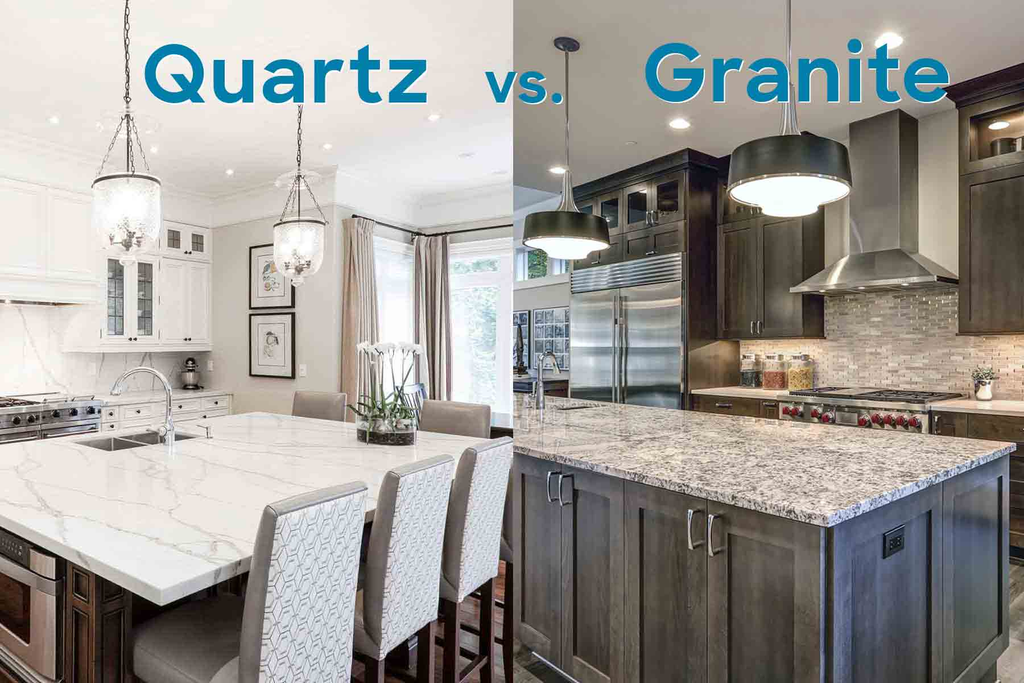
Direct Comparison Overview
| Feature / Metric | Quartz Countertops | Granite Countertops |
| Material Composition | Engineered (approx. 90–93% crushed quartz + 7–10% resin & pigments) | 100% Natural quarried igneous rock |
| Porosity & Sealing | Non-porous; never requires sealing | Naturally porous; requires annual sealing |
| Heat Resistance | Moderate (resins can discolor/burn above 300°F) | High (handles direct heat from hot cookware) |
| Stain Resistance | Superior (liquids cannot penetrate surface) | High if sealed properly; vulnerable if unsealed |
| Scratch Resistance | Excellent (Mohs hardness ~7) | Excellent (Mohs hardness 6–7) |
| Aesthetic Consistency | Predictable patterns, broad color range, uniform | Unique natural variations; no two slabs are identical |
| UV Resistance | Indoor use only (resins fade in sunlight) | Excellent (ideal for indoor and outdoor kitchens) |
| Average Cost / Sq. Ft. | $60 – $150 (installed) | $50 – $140 (installed) |
What Is the Difference Between Quartz and Granite?
The Nature of Granite
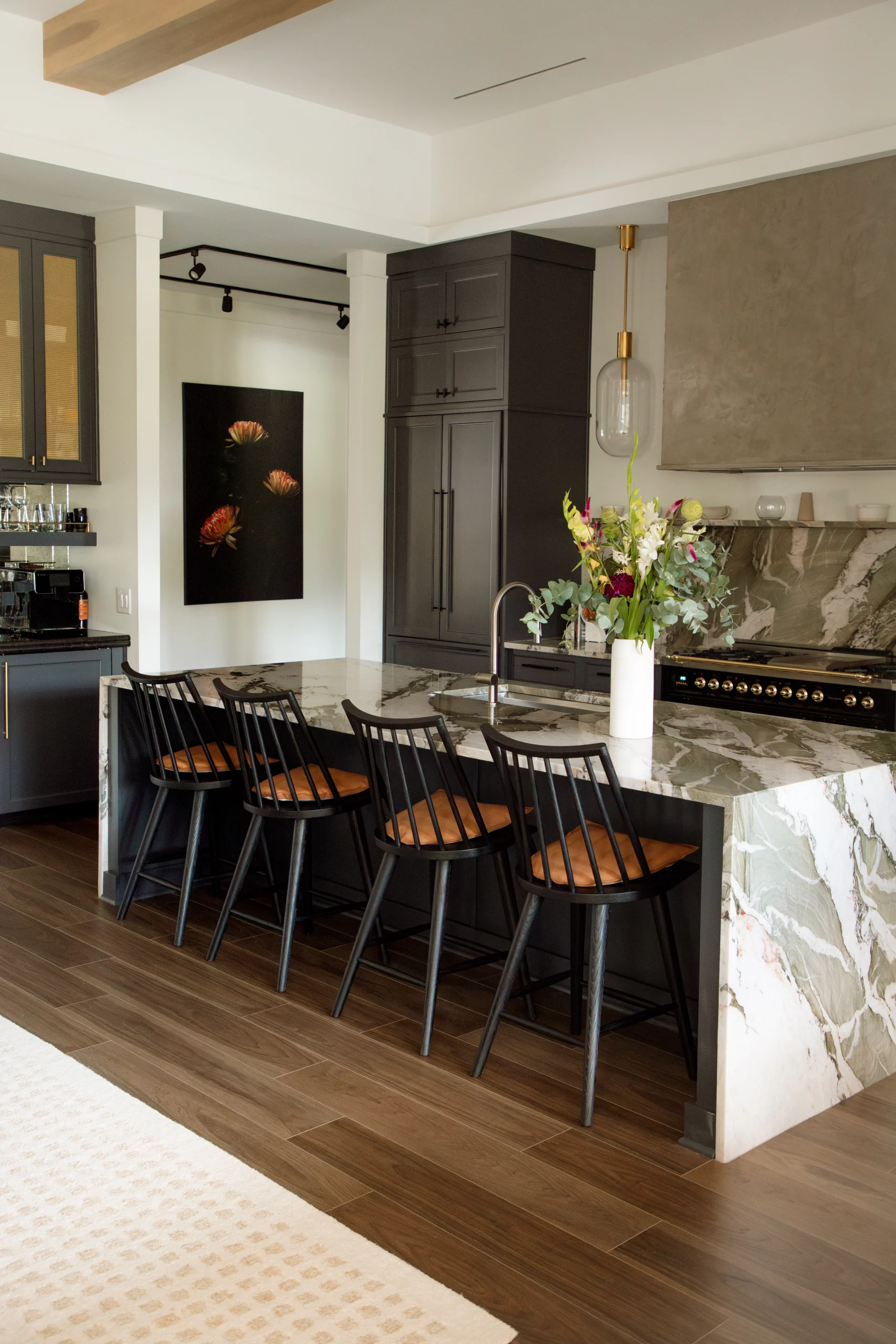
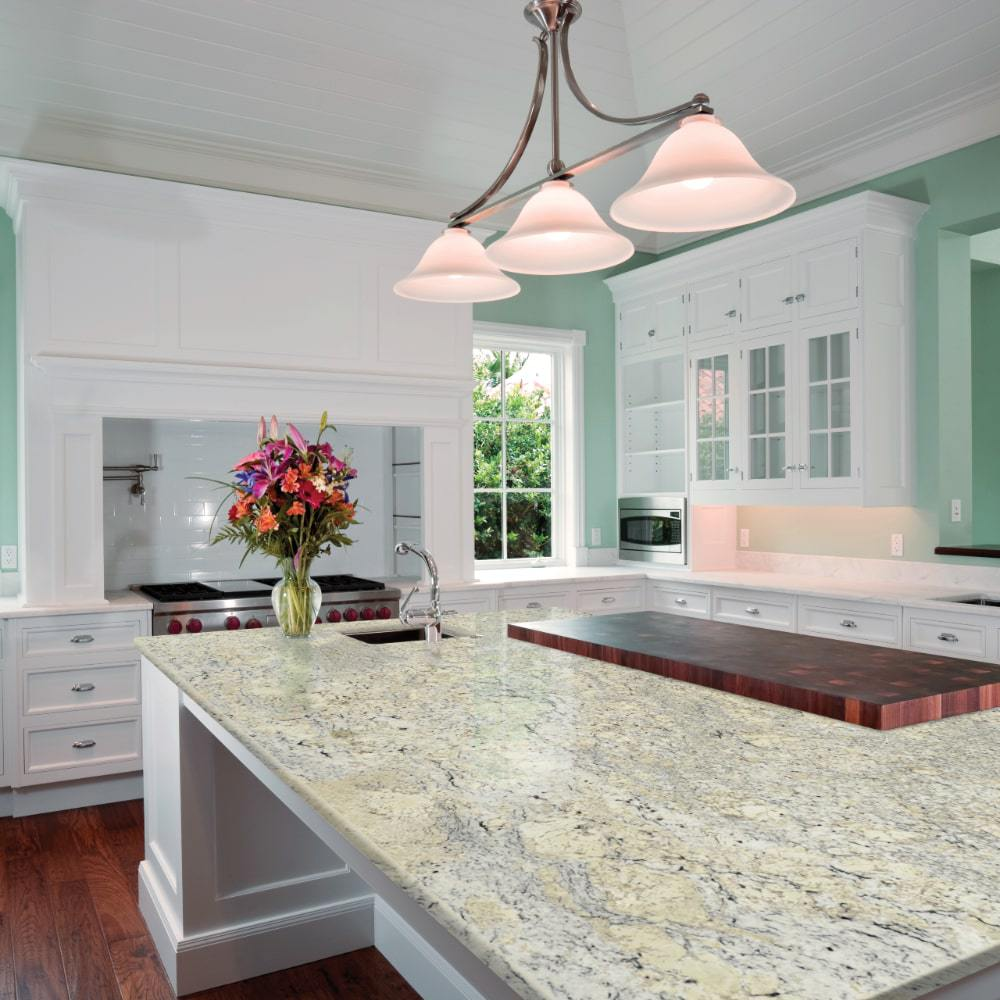
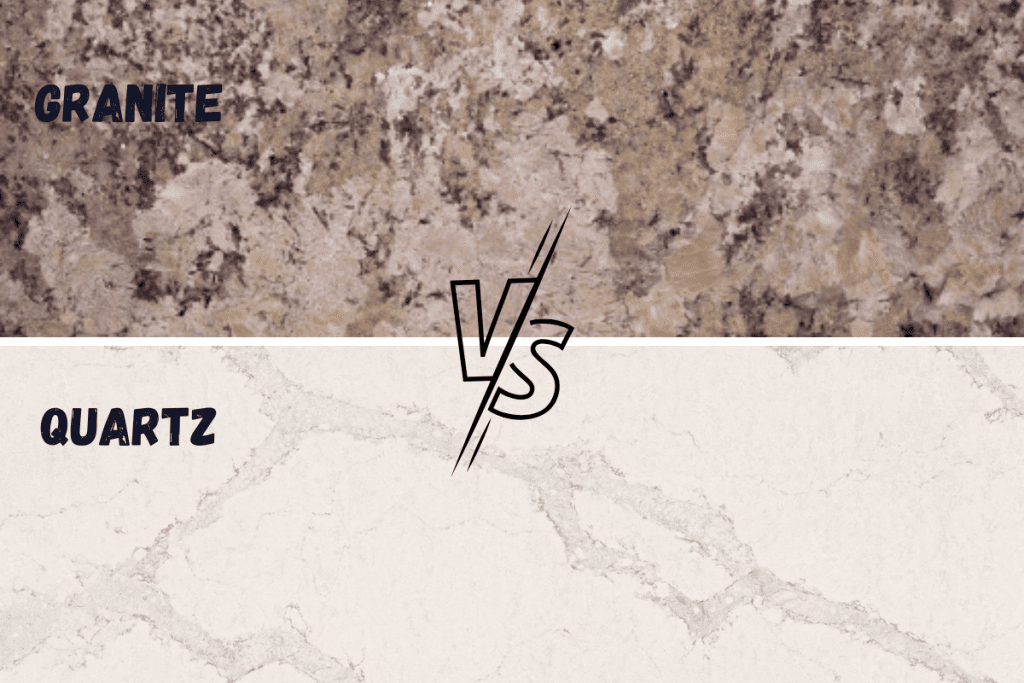
Granite is a completely natural igneous stone quarried directly from deep within the earth. Slabs are cut, polished, and finished without chemical alterations to their structural makeup. Because nature determines the mineral distribution—composed primarily of feldspar, quartz, and mica—every single slab presents distinct veining, speckling, and coloration.
The Nature of Quartz
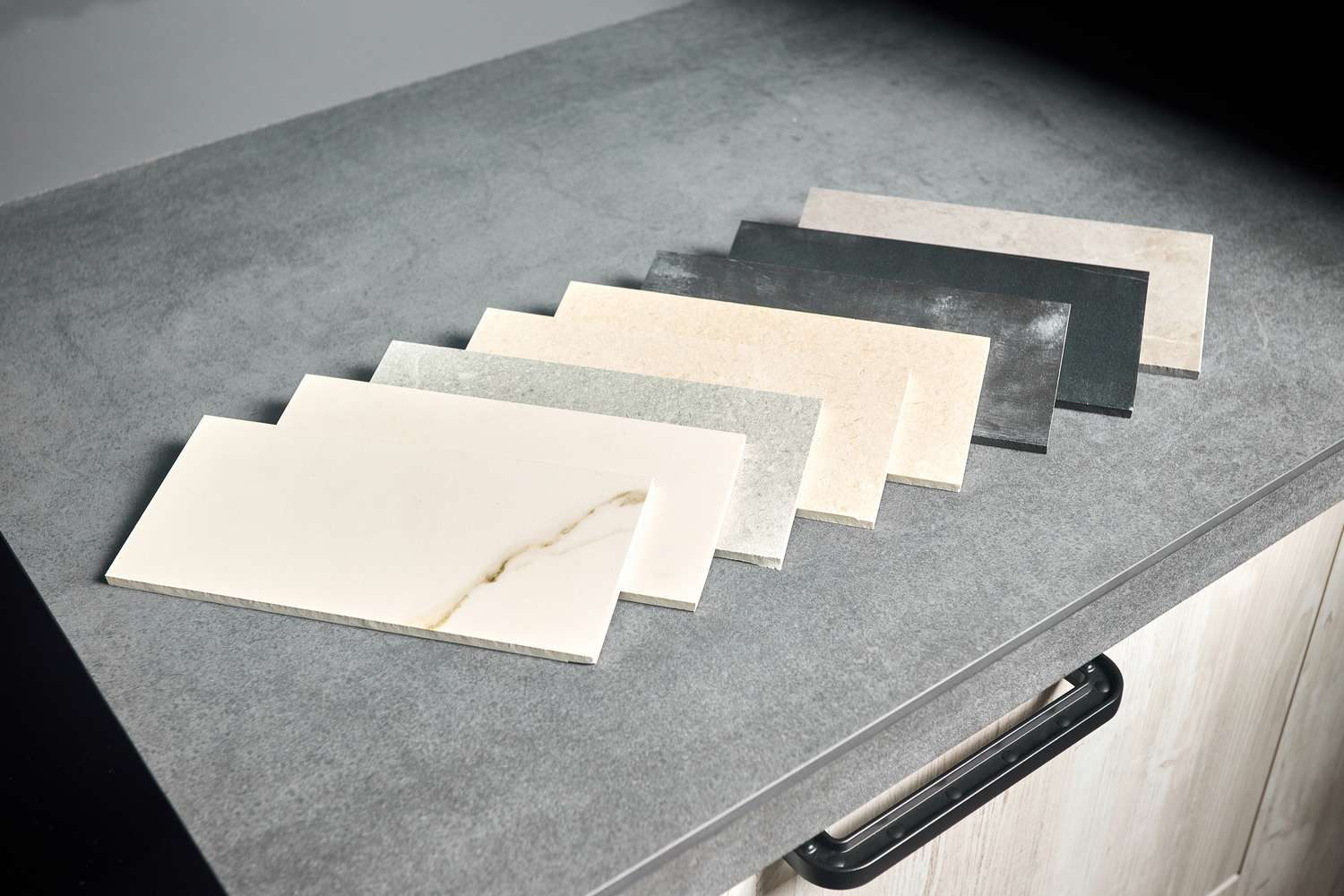
Quartz countertops, often referred to as engineered stone, are manufactured surfaces. Producers combine roughly 90% to 93% ground natural quartz crystals with polyester resin binders and mineral pigments. This factory process eliminates internal structural flaws while offering vast design flexibility, ranging from solid minimalist hues to faithful replicas of high-end Italian marble.
Key Performance Factors: Quartz vs Granite Countertops
1. Durability and Everyday Wear
Both surfaces demonstrate high scratch and impact resistance under standard kitchen conditions. However, their physical behavior differs when subjected to sharp impact:
- Granite: Extremely hard, but naturally occurring fissures can occasionally chip along edges if struck with heavy cast-iron cookware.
- Quartz: The polymer binding gives quartz slight flexibility, making it somewhat more chip-resistant on corner bevels than brittle natural rock.
2. Porosity, Hygiene, and Maintenance
Porosity determines how a material reacts to spills and biological contaminants.
- Non-Porous Quartz: Because engineered quartz contains zero open pores, fluids like red wine, lemon juice, coffee, and cooking oils remain on the surface without penetrating. It requires only routine wiping with mild dish soap and warm water, eliminating any need for topical sealers.
- Porous Granite: Natural stone possesses microscopic capillary networks. Without routine sealant applications, standing liquids can seep beneath the surface, resulting in deep-set staining or bacterial colonization. Homeowners should perform a water droplet test annually to confirm sealant integrity.
3. Heat Tolerance
- Granite Wins on Heat: As a product formed under extreme geothermal pressure, granite easily withstands direct contact with hot pans and baking sheets.
- Quartz Requires Trivets: While the quartz mineral itself resists high temperatures, the polymer resins binding the slab can warp, crack, or yellow when exposed to direct heat sources exceeding 300°F. Always use heat pads and trivets on engineered stone.
4. Aesthetics and Design Cohesion
- Granite: Offers authentic, one-of-a-kind organic movement. If you appreciate dramatic veining and natural imperfection, granite provides unmatched character.
- Quartz: Provides consistency across large expanses. For modern aesthetics, seamless bookmatched waterfall edges, or uniform color profiles, quartz offers repeatable patterns across multiple adjacent slabs.
Cost Comparison and ROI
From a budgetary standpoint, basic price tiers for both materials remain comparable:
- Granite Entry Tier: Readily available colors and patterns start around $50 to $70 per square foot installed, with exotic, rare-quarry varieties exceeding $150 per square foot.
- Quartz Entry Tier: Quality engineered slabs typically start around $60 to $80 per square foot installed, with premium designer collections reaching $120 to $150+ per square foot.
Both surfaces deliver strong resale value and rank as top-tier selling features in residential real estate. Homeowners frequently recoup 60% to 80% of their investment during home appraisals according to standard remodeling metrics tracked by the National Association of Home Builders.
To explore full slab inventories and schedule custom measurements, visit our Set In Stone countertop installation services to consult with a fabrication specialist.
Which Material Is Right for Your Project?
Choosing between quartz vs granite countertops depends on your lifestyle preferences and architectural requirements:
- Choose Quartz if: You prioritize effortless maintenance, want a uniform modern look, require zero chemical sealing, and keep cooking surfaces clean with simple soap and water.
- Choose Granite if: You cook frequently with direct high-heat pans, desire a unique natural centerpiece, are designing an outdoor cooking space, or appreciate the organic character of authentic quarried stone.